Avoiding College Application Pitfalls: A Guide for Private College Counselors
If you are new to educational consulting - keep these college application trip hazards in mind!

For private college counselors supporting families through the complex college college readiness process AND college application process, every detail matters. Beyond grades and test scores, it’s often the qualitative aspects of a student’s application that define whether they stand out or blend into the crowd. Admissions officers evaluate thousands of applications, seeking signs of a well-rounded, prepared, and driven candidates while identifying potential red flags. Here’s a guide to five common pitfalls to help your students shine—and how CounselMore’s innovative tools can support your practice.
1. Insufficient Course Rigor
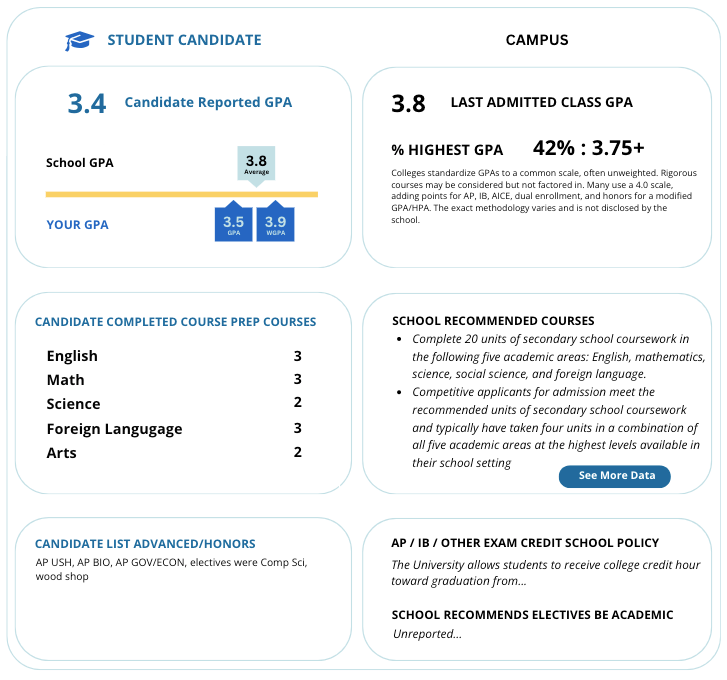
Colleges expect students to stretch themselves academically. Admissions officers often look for Advanced Placement (AP), International Baccalaureate (IB), or other challenging coursework as evidence of academic ambition and readiness for college rigor.
CounselMore Insight: CounselMore allows you to track and evaluate students’ course selections in real-time, ensuring their academic paths align with their college aspirations. With a holistic view of each student’s course rigor, counselors can provide tailored advice on course planning, helping students maximize their academic potential.

2. Limited Extracurricular Involvement
Admissions offices place significant weight on extracurricular activities to assess how students will contribute to campus life. A lack of meaningful involvement can suggest limited interest in community engagement or leadership potential.
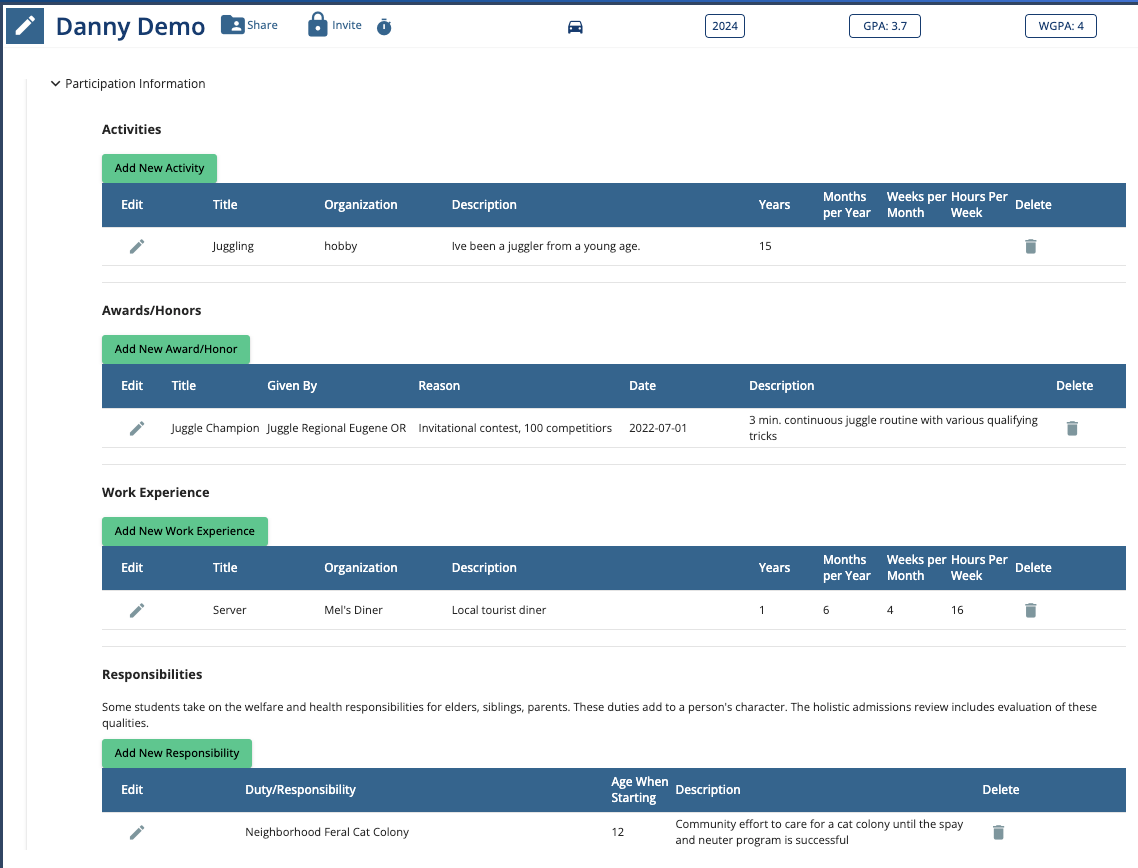
CounselMore Advantage: Use CounselMore Candidate Shaping Tools, to quickly see a comparison between student preparation and their college aspirations. By documenting a student’s extracurricular activities in one centralized place, CounselMore makes it easy for counselors to identify and highlight key areas of involvement. Use CounselMore’s tracking tools to ensure students’ activities reflect a genuine passion and consistent commitment—elements that admissions officers appreciate.
3. Disconnected Extracurriculars
A scattershot list of unrelated extracurriculars can work against a student. Admissions officers prefer to see a narrative—a consistent thread that reflects a student’s growth, interests, and potential contributions to their intended field of study.
How CounselMore Helps: CounselMore’s platform supports counselors in connecting the dots between a student’s activities, academic interests, and career aspirations. By using CounselMore to craft a coherent story, counselors can showcase a student’s unique path and demonstrate a deliberate pursuit of their passions.
4. Inappropriate Social Media Presence
According to a 2023 Kaplan study, 67% of admissions officers consider students’ social media presence in their evaluations. Inappropriate or risky content can severely harm a student’s chances, even after an acceptance.
Best Practices with CounselMore: Did you know there are counselors who only focus on providing services related to student's social presence and reputation defense?! As a CounselMore member you receive a discount on their services. Guide students on digital reputation management and help them curate a positive online image that aligns with their application narrative. CounselMore facilitates these conversations, empowering counselors to remind families of the importance of online professionalism.
5. Unpolished and Unprofessional Essays
Essays are a student’s voice in the admissions process—a chance to stand out through personal stories, growth, and self-reflection. Poorly executed essays or those that overshare personal struggles without reflection can harm a student’s prospects.
CounselMore’s Writing Support: CounselMore members receive discounts on WOW writing workshop - Learn to be a better essay coach!! Counselors can streamline the essay-writing process with CounselMore’s tools. Easily track drafts, provide structured feedback, and guide students toward developing polished, thoughtful essays that leave lasting impressions.
CounselMore: Your Essential Tool for College Application Excellence
Managing multiple students’ applications is no easy feat. From academic records to extracurriculars, essays, and application nuances, staying organized and aligned is critical. CounselMore is here to revolutionize your practice by providing a structured, repeatable process that keeps your students’ college readiness plans on track. With CounselMore, you can seamlessly align each student’s application with their individual goals, ensuring no critical element is overlooked.
Transform your practice. Empower your students. CounselMore is your key to unlocking college readiness success.