1) How to schedule an appointment.

Let clients know specifically how to schedule a meeting. For recurring clients, consider booking out the student's appointments for the semester, on the same day/time. The CounselMore Business Development Academy advises a per grade meeting pattern. The time between appointments decreases as the grade level increases.

2) Define everyone's role from the beginning.

Clearly state which meetings will be designated 'student only' or 'parent only' or if anyone can attend as they choose. The CounselMore Business Development Academy advises that nervous parents are calmed by knowing a future parent-meeting date is on the calendar and are less likely to attend student meetings or send spurious inquiries between meetings.


3) How to ask questions.

Avoid spurious client phone calls, text and email messages, by setting clear expectations about business hours and the preferred channel for communications. The CounselMore Business Development Academy advises that instructions like, "Let me know if you have questions" is better communicated "Reach me by text, between 3pm and 7pm for quick questions and I will respond. Outside of those hours, an email is preferred. Questions that require nuanced answers we will save for discussion in our scheduled meetings."


By Abigail Rollins June 1, 2026
The internet is losing its mind over a tip for college-bound families: a recent video revealed that students can get colleges to pay for their campus visits.
By Stephen Turban, Lumiere Education May 20, 2026
Many students are looking for research opportunities and ways to volunteer with researchers, but often don’t know where to look for them. In this article, we outline 15 research volunteer opportunities for high school students. These opportunities are all free, and while some have an application process, others are always open to volunteers.
By Stephen Turban March 9, 2026
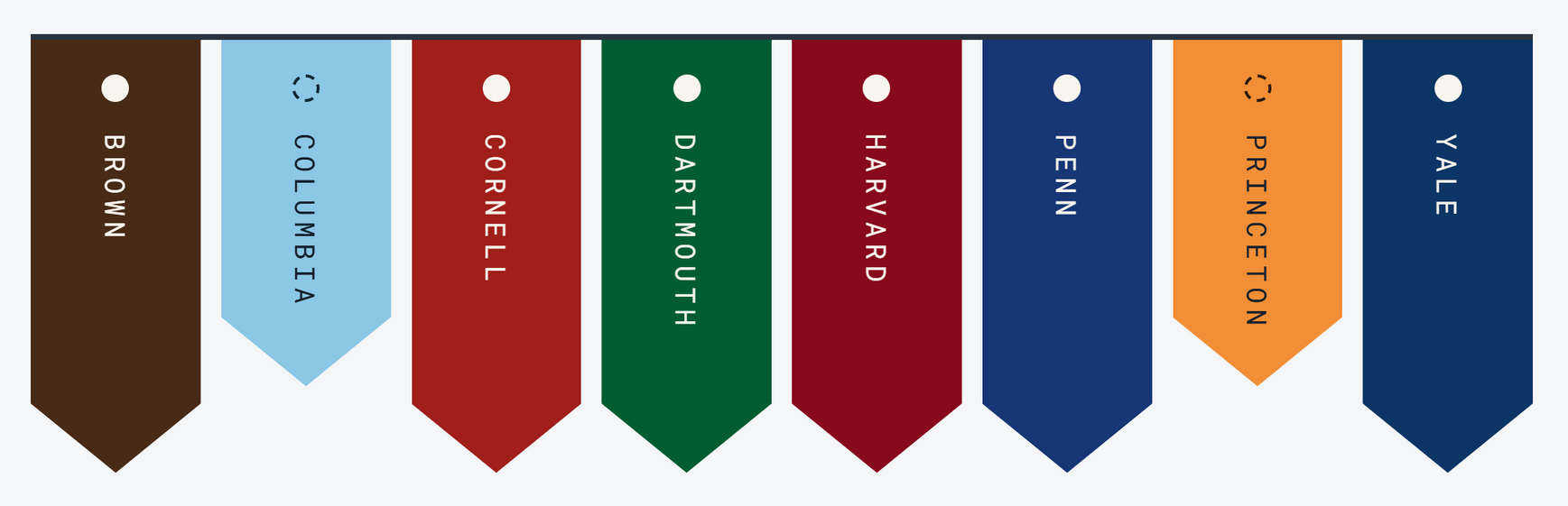
The Concord Review is the most prestigious journal for high school students in the social sciences. As William Fitzsimmons, long-time Dean of Admissions at Harvard College, put it “A simple fact that an essay has been published by The Concord Review is something that’s impressive to the committee, just as the committee can be impressed when a scientist or mathematician does well in an international competition.” The Concord’s Review’s prestige comes from its high level of selectivity (currently less than 5%), focus on quality, and long track record of winners going on to top universities. In 2010, 10% of all students published in the journal had gone to Harvard College . As the Concord Review describes , many authors will attach their Concord Review in their application. Of students who have been published, they have “gone on to Brown (35), University of Chicago (36), Columbia (31), Cornell (21), Dartmouth (24), Harvard (152), Oxford(17), Pennsylvania (30), Princeton (76), Stanford (86), Yale (123).” So, what is the Concord Review and how can you build a paper that is accepted? In this guide, we’re going to go through what the Concord Review is, what it looks for in papers, and what you need to do to stand a chance.
November 20, 2025
How College Readiness Works in Three Parts — and How CounselMore Supports Each Stage
August 23, 2025
How Independent Educational Consultants Can Get More Parent Referrals
August 15, 2025
FAKE COLLEGE WEBSITES: What every College Counselor needs to know
July 8, 2025
Key Education Impacts of “One Big Beautiful Bill” (& Counselor Talking Points)
June 30, 2025
FAFSA Opens October 1 — For Real This Time: What College Counselors Should Know for 2026–27
June 18, 2025
Charting the Future of Educational Consulting with the PIT Crew
May 22, 2025
Facing IEC Pain Points? Here's How CounselMore Empowers Consultants to Succeed
March 28, 2025
How to Find a Great College Counselor (and Spot the Red Flags)
March 25, 2025
The Rise of Rock Star College Counselors
Show More