- Take AP exams which usually run around $95, and many institutions accept satisfactory scores as transferable course credit. Spending less time in college saves you money.
- Pay to live on campus for only one year and then apply to be a Resident Assistant; this position on campus usually pays for your room and board. As an RA, you are paid to live on campus and your travel expenses to and from school are lowered.
- At the end of your first-year you will know what classes you will be taking next semester. Contact students who are currently in those classes and ask that they sell their textbooks directly to you, no shipping and notes included. Or rent your textbooks from chegg.com.
- Check your State Community College Free program. Many have the option to complete 2 years and transfer to a state four-year college.
- Find a non-student staff job on campus. Many positions come with reduced tuition while employed.
- Join ROTC - Receive scholarships and stipends in exchange for a commitment to serve your country (usually 4 years) after graduation. You will commission as a military officer - cool!
- Join AmeriCorp - The domestic Peace Corp. Just like the Peace Corps, AmeriCorps participants receive an allowance and some programs provide housing. Health coverage, training, and student loan deferment are also included with the programs. At the completion of their assignment, participants receive on average $4,725 towards college or graduate school, or the repayment of student loans.
- Earn your degree online from an accredited institution!
- Attend part time and ask the registrar if any "life-time learning" credits can be applied to elective credits.
- Find a job that will reimburse you for college credits earned. There are large companies that will offer this perk even to new and entry level employees.
Written by: Margaret Rothe, Career in higher education, Master of Higher Education, Student Affairs, owner of HigherGrounding, a college consulting firm; a founder of, CounselMore, College Counseling Software, a college search, list builder and professional college planning management tool.






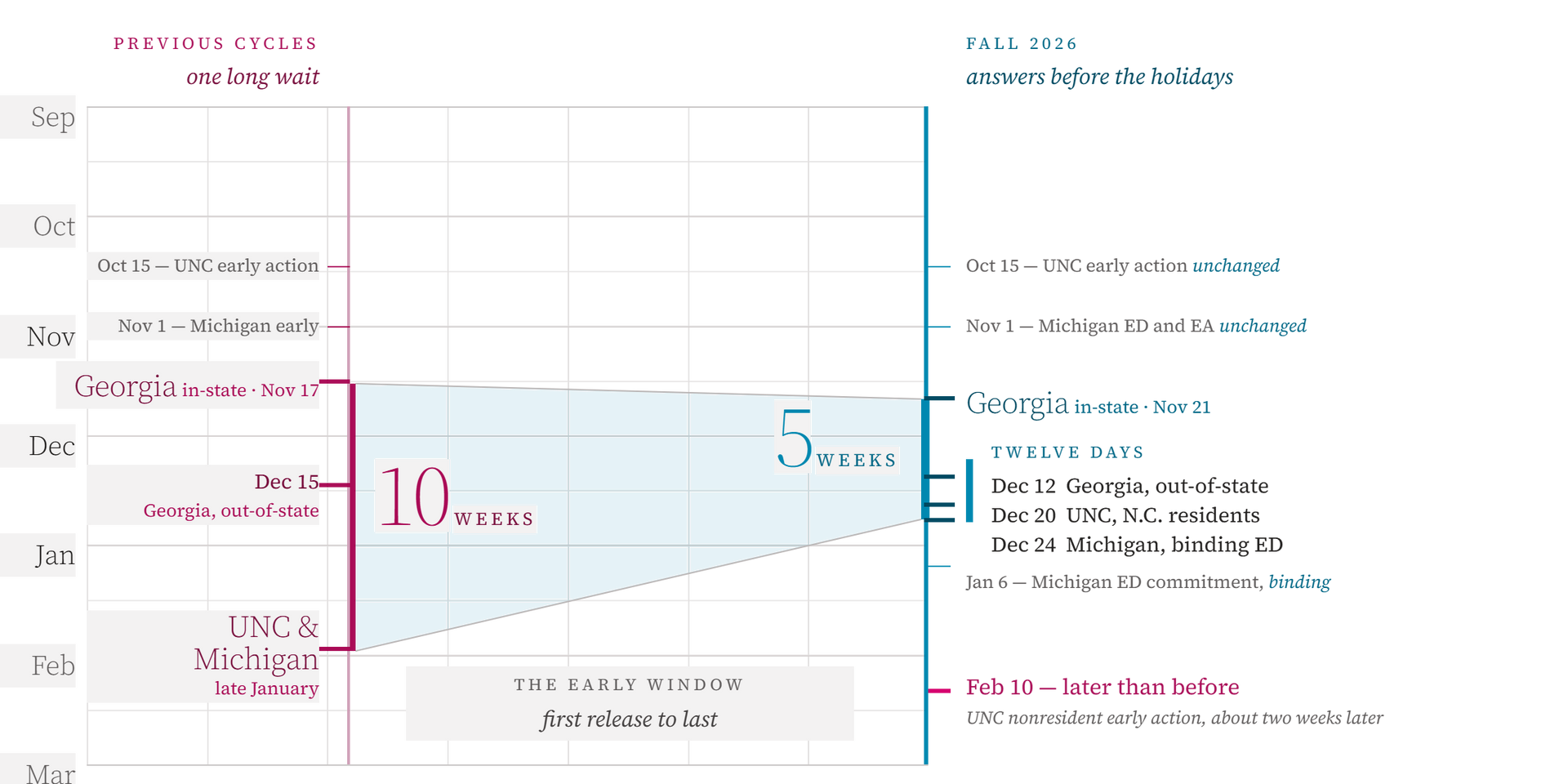
UNC moved up its early decision release, Georgia's early pool hit a record, and Michigan added Early Decision anticipating record demand. What the data actually shows, and what it means for counselor workflow this fall.

UT Austin lists the freshman resume as optional, but its own honors programs — including one that requires it outright — tell a different story. Here's what the university's own pages actually say.
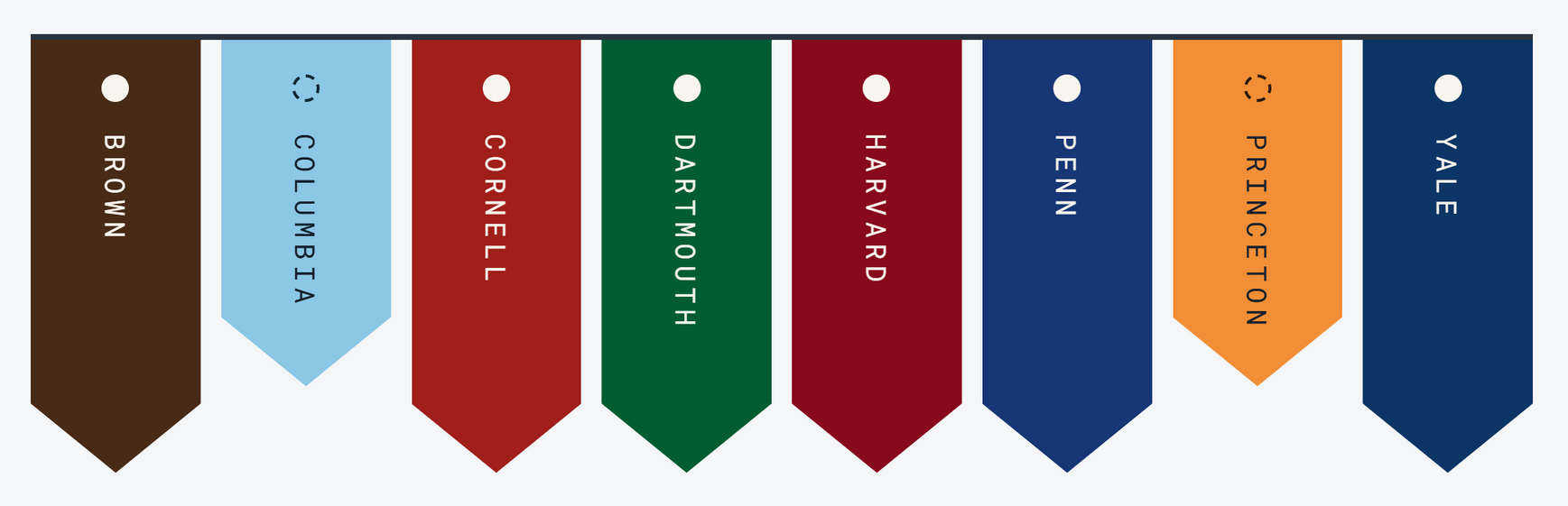
Six of eight Ivy League schools now require SAT/ACT scores, and the other two have already announced when they're joining. Here's the exact status of every school, why it's happening, and how to advise families now.
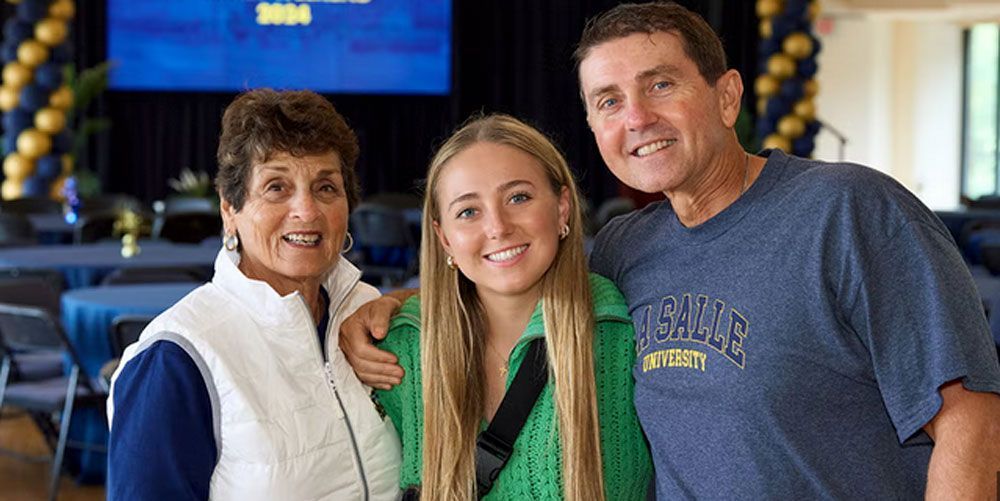
The internet is losing its mind over a tip for college-bound families: a recent video revealed that students can get colleges to pay for their campus visits.

Many students are looking for research opportunities and ways to volunteer with researchers, but often don’t know where to look for them. In this article, we outline 15 research volunteer opportunities for high school students. These opportunities are all free, and while some have an application process, others are always open to volunteers.
The Concord Review is the most prestigious journal for high school students in the social sciences. As William Fitzsimmons, long-time Dean of Admissions at Harvard College, put it “A simple fact that an essay has been published by The Concord Review is something that’s impressive to the committee, just as the committee can be impressed when a scientist or mathematician does well in an international competition.” The Concord’s Review’s prestige comes from its high level of selectivity (currently less than 5%), focus on quality, and long track record of winners going on to top universities. In 2010, 10% of all students published in the journal had gone to Harvard College . As the Concord Review describes , many authors will attach their Concord Review in their application. Of students who have been published, they have “gone on to Brown (35), University of Chicago (36), Columbia (31), Cornell (21), Dartmouth (24), Harvard (152), Oxford(17), Pennsylvania (30), Princeton (76), Stanford (86), Yale (123).” So, what is the Concord Review and how can you build a paper that is accepted? In this guide, we’re going to go through what the Concord Review is, what it looks for in papers, and what you need to do to stand a chance.

How College Readiness Works in Three Parts — and How CounselMore Supports Each Stage

How Independent Educational Consultants Can Get More Parent Referrals
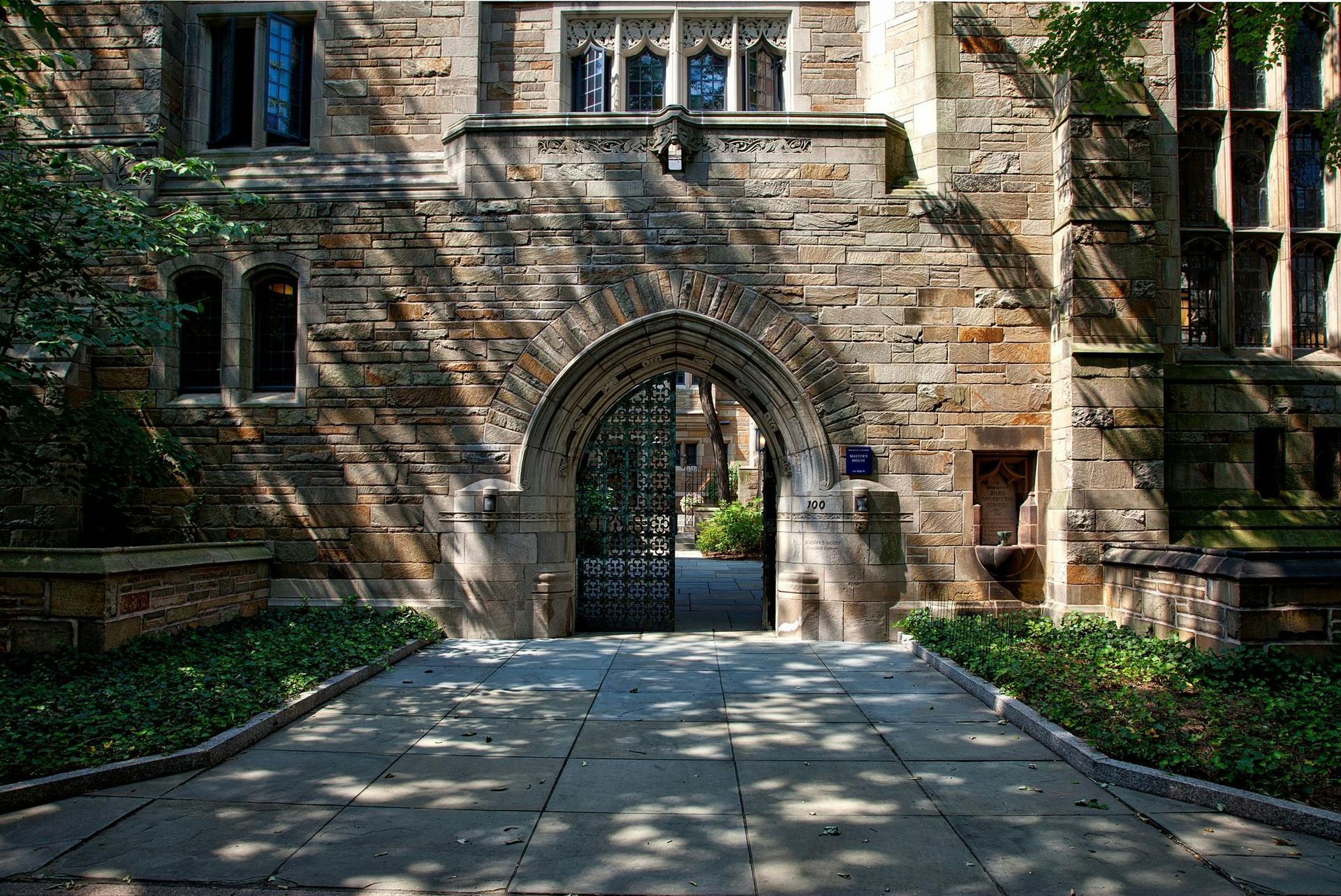
FAKE COLLEGE WEBSITES: What every College Counselor needs to know

Key Education Impacts of “One Big Beautiful Bill” (& Counselor Talking Points)

FAFSA Opens October 1 — For Real This Time: What College Counselors Should Know for 2026–27

Charting the Future of Educational Consulting with the PIT Crew